Understanding Diamond Quality: A Comprehensive Guide

Diamonds have captivated hearts and minds for centuries, symbolizing love, commitment, and luxury. However, not all diamonds are created equal. Understanding diamond quality is crucial for anyone looking to purchase a diamond, whether for an engagement ring, a piece of jewelry, or an investment. This guide will break down the essential factors that determine diamond quality, helping you make informed decisions.
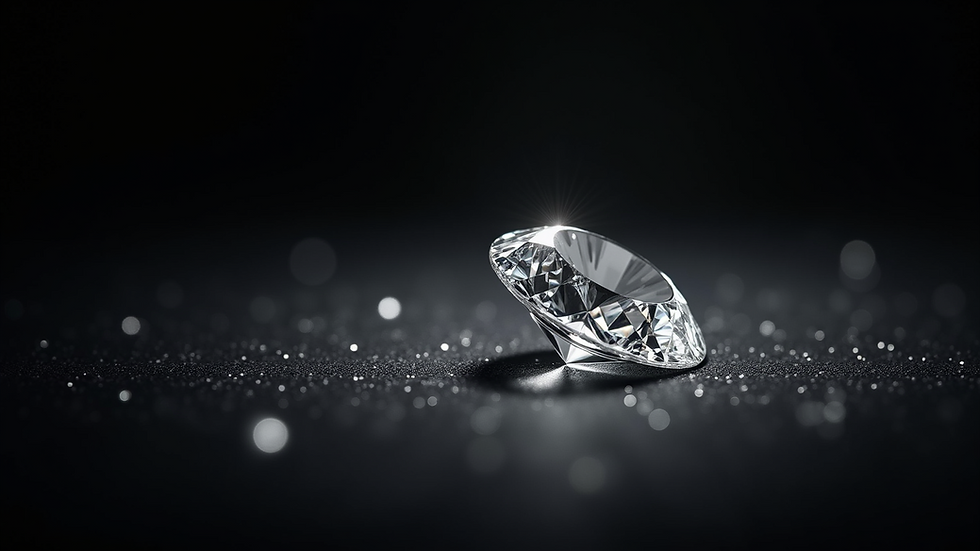
The Four Cs of Diamonds
When it comes to assessing diamond quality, the Four Cs are the most critical factors to consider: Carat, Cut, Color, and Clarity. Each of these elements plays a significant role in determining a diamond's overall value and appearance.
Carat
Carat refers to the weight of the diamond. One carat is equivalent to 0.2 grams. While larger diamonds are generally more valuable, the relationship between carat weight and price is not linear. For example, a 2-carat diamond can cost significantly more than two 1-carat diamonds due to its rarity.
Weight vs. Size: It's essential to note that carat weight does not directly correlate with the diamond's size. A well-cut diamond may appear larger than a poorly cut diamond of the same carat weight.
Price Considerations: Prices can increase dramatically at certain carat weight thresholds, such as 1 carat, 1.5 carats, and 2 carats.
Cut
The cut of a diamond refers to how well it has been shaped and faceted. This aspect significantly impacts the diamond's brilliance and sparkle. A well-cut diamond reflects light beautifully, while a poorly cut diamond may appear dull.
Cut Grades: Diamonds are graded on a scale from Excellent to Poor. An Excellent cut will maximize the diamond's brilliance, while a Poor cut will hinder its light performance.
Shape: The shape of the diamond (e.g., round, princess, emerald) also affects its cut quality. Round diamonds are the most popular and tend to have the best light performance.
Color
Diamonds come in a variety of colors, ranging from completely colorless to shades of yellow and brown. The Gemological Institute of America (GIA) grades diamond color on a scale from D (colorless) to Z (light yellow or brown).
Colorless Diamonds: D, E, and F grades are considered colorless and are the most sought after.
Near Colorless Diamonds: G, H, I, and J grades are near colorless and offer good value for those looking for a balance between quality and price.
Clarity
Clarity refers to the presence of internal or external flaws, known as inclusions and blemishes. The GIA grades clarity on a scale from Flawless (no inclusions visible under 10x magnification) to Included (inclusions visible to the naked eye).
Flawless Diamonds: These are extremely rare and command high prices.
Eye-Clean Diamonds: Many diamonds with slight inclusions can still appear flawless to the naked eye, offering a good balance of quality and affordability.
Additional Factors to Consider
While the Four Cs are the primary determinants of diamond quality, several other factors can influence your purchase decision.
Certification
Always look for diamonds that come with a certification from a reputable gemological laboratory, such as the GIA or the American Gem Society (AGS). A certification provides an unbiased assessment of the diamond's quality based on the Four Cs.
Shape and Style
The shape of the diamond can affect its appearance and how it fits into a piece of jewelry. Consider the recipient's style and preferences when choosing a shape. Popular shapes include:
Round: Classic and timeless, ideal for engagement rings.
Princess: A modern square shape that offers a contemporary look.
Emerald: Known for its long, rectangular facets, creating a unique appearance.
Setting
The setting of the diamond can also impact its overall look and perceived size. A well-designed setting can enhance the diamond's brilliance and make it appear larger. Common settings include:
Solitaire: A single diamond, emphasizing its beauty.
Halo: A center diamond surrounded by smaller diamonds, enhancing sparkle.
Three-Stone: Symbolizing the past, present, and future, this setting features three diamonds.
Caring for Your Diamond
Once you've chosen the perfect diamond, it's essential to care for it properly to maintain its beauty and value.
Regular Cleaning
Diamonds can accumulate dirt and oils from everyday wear. Regular cleaning can help maintain their sparkle. Here are some simple cleaning tips:
Use Mild Soap: Mix a few drops of mild dish soap with warm water. Soak the diamond for 20-30 minutes, then gently scrub with a soft toothbrush.
Rinse and Dry: Rinse the diamond under warm water and dry it with a lint-free cloth.
Safe Storage
When not wearing your diamond, store it in a soft pouch or a separate compartment in your jewelry box to prevent scratches. Avoid storing it with other jewelry pieces that may cause damage.
Conclusion
Understanding diamond quality is essential for making an informed purchase. By focusing on the Four Cs—Carat, Cut, Color, and Clarity—you can select a diamond that meets your needs and preferences. Remember to consider additional factors such as certification, shape, and setting, and take care of your diamond to ensure it remains a cherished piece for years to come.
As you embark on your diamond-buying journey, keep this guide in mind to help you navigate the complexities of diamond quality. Whether you're purchasing for yourself or a loved one, a well-informed choice will make all the difference. Happy diamond hunting!


Comments